Neighbor Zero Bet: How Do You Place It?
The neighbor zero bet is a covered wager built around the zero pocket and its two adjacent numbers on a European single-zero wheel, and if you place it wrong the house edge eats you alive before the ball even settles. 🎯 This is not a polite little side bet you toss down for fun — it is a precise two-chip structure that requires you to understand exactly how the layout is wired. Miss the geometry and you are just donating money to the casino with extra steps.
The Exact Chip Structure Nobody Explains
Here is the cold truth most dealers will not spell out for you. The neighbor zero bet is placed as two separate straight-up wagers: one chip on zero and one chip on each of its two direct neighbors on the physical wheel rim. On a standard European wheel those neighbors are 32 and 26. That means the full bet is zero, 32, and 26 — three numbers, not two, not four. You are covering the zero pocket and the two pockets flanking it on the rotor.
You place it by announcing the call bet to the dealer, who then physically positions your chips on the three corresponding numbers in the layout. You do not scatter chips across the felt yourself. 🎲 The dealer sets the chips on the zero, the 32, and the 26, and the bet is paid as three independent straight-up bets. That structure matters enormously because your payout math changes the instant you misunderstand it.

Why the Payout Math Makes or Breaks You
A straight-up bet on a European wheel pays 35 to 1. You are staking three units across three numbers, so when one of them hits you collect 35 units on that single winning straight-up plus you keep that unit — but the other two units vanish. Net position on a hit: you risked three, you return with thirty-six, meaning a clean profit of thirty-three units. That is the real number you are working with, and anyone who tells you otherwise is either lying or has never actually tracked their chip flow.
Now the ugly part. The probability of landing on any single number is 1 in 37. You are covering three numbers, so your hit rate is 3 in 37, roughly 8.1 percent. The expected value is brutally negative, and no amount of rim-reading romance changes that arithmetic. This is why I tell every sharp player the same thing: treat the neighbor zero bet as a variance toy, not a value play. The house edge on European single-zero sits at 2.7 percent no matter how clever you feel placing it.
The Dealer Call and Timing Trap
Call bets must be placed before the ball is spun and before the dealer announces no more bets. If you shout for a neighbor zero bet after the rotor is already moving, a competent dealer will wave you off, and a sloppy one might take it and create a dispute you cannot win. ⚠️ The verbal announcement is binding only when the dealer confirms and physically places the chips. Get in early, state it clearly, and watch the chips land on zero, 32, and 26 with your own eyes.
On American double-zero wheels the neighbor zero bet does not even exist in the same form because the wheel geography is completely different — there is no single zero flanked by 32 and 26 in that configuration. So if you sit down at a double-zero table and ask for this bet, you have already shown the pit boss you do not know what game you are playing. Stick to European single-zero rotors where the geometry actually supports the wager.
Rim Reading and the Physical Reality
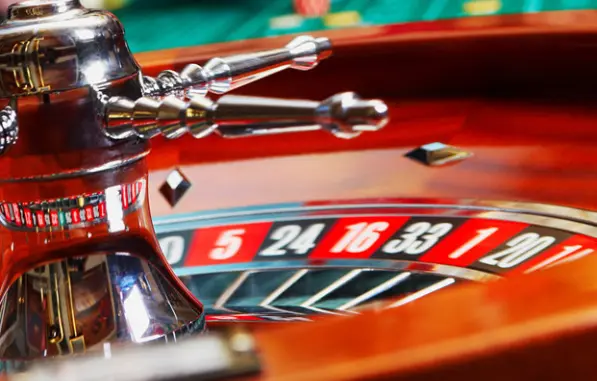
Some players obsess over section shooting and dealer signatures, convinced they can predict where the ball lands. I respect the hustle but I will not sell you fantasy. The neighbor zero bet is a fixed-geometry wager, and unless you have genuinely measured a biased wheel with thousands of logged spins, the rim tells you nothing. What you can control is discipline: know your three numbers, know your thirty-three unit profit target on a hit, and know your true 8.1 percent strike rate. Everything past that is noise dressed up as strategy.
Place it clean, count your chips, and never let anyone reposition your bet after the spin begins — that single rule has saved more bankrolls than any system ever printed.